
Plant-Based Protein: Sources, Benefits & Simple Ways to Include More
By Shoba Balaji, RDN, LDN | Greenlyfe Nutrition
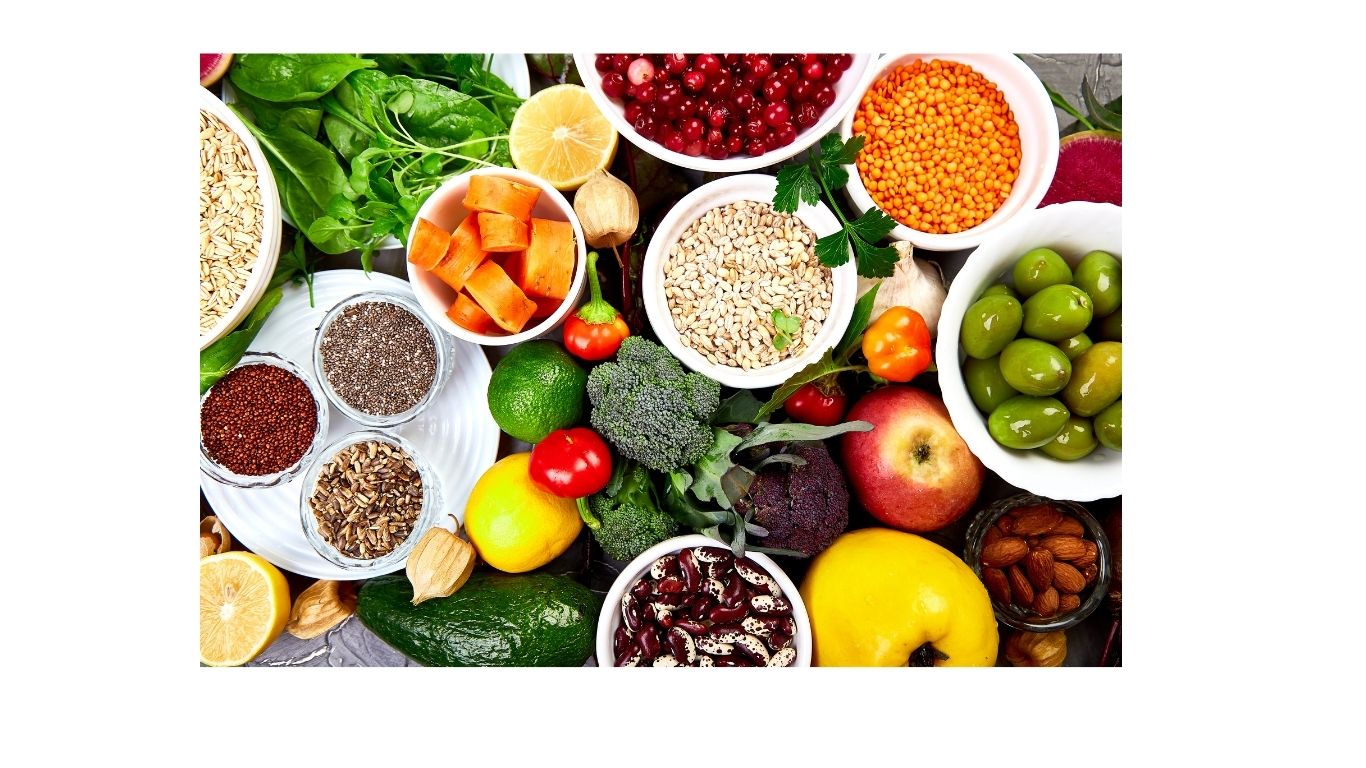
Where do you get your protein if you eat a plant-based diet? From lentils and beans to tofu, tempeh, nuts, seeds, and whole grains, there are many delicious ways to include protein in a plant-forward eating pattern.
Where Do You Get Your Protein?
“Where do you get your protein?” is one of the most common questions people ask when they hear that someone follows a vegetarian or plant-based eating pattern.
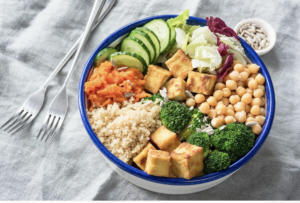
The answer may surprise you! Protein is found in a wide variety of plant foods, including beans, lentils, peas, soy foods, whole grains, nuts, and seeds. You do not have to rely on animal foods alone to meet your protein needs.
As a Registered Dietitian Nutritionist, I encourage people to look beyond individual nutrients and focus on the overall nutritional value of foods. Plant-based protein sources often provide more than protein. They also contribute dietary fiber, vitamins, minerals, healthy fats, and beneficial plant compounds.
Whether you are vegetarian, vegan, or simply looking to include more plant-based meals in your routine, there are plenty of delicious options to explore.
Why Include More Plant-Based Protein?
Protein is an essential nutrient that helps build and repair body tissues, maintain muscle mass, support immune function, and produce enzymes and hormones. Getting enough protein is important throughout life, particularly as we age and work to maintain muscle strength and function.
Plant protein foods offer additional nutritional benefits:
- Beans and lentils provide protein, fiber, iron, folate, and potassium.
- Soy foods, such as tofu, tempeh, and edamame, are versatile sources of high-quality plant protein.
- Nuts and seeds provide protein, unsaturated fats, fiber, and important minerals.
- Whole grains contribute protein, complex carbohydrates, and fiber.
- Vegetables, including peas and spinach, also contribute to daily protein intake.
Including a variety of these foods can support a balanced eating pattern. Replacing some red and processed meat with plant protein sources such as beans, lentils, and nuts is also one way to make meals more heart-friendly.
How Much Protein Do You Need?
Protein needs vary depending on body weight, age, activity level, health status, and individual nutrition goals.
The 2025–2030 Dietary Guidelines for Americans recommend a protein intake goal of 1.2–1.6 grams per kilogram of body weight per day, adjusted according to individual needs. This is a general dietary goal, not a one-size-fits-all prescription. Your personal protein needs may differ, so consider working with a Registered Dietitian Nutritionist to determine an appropriate target.
Plant-based eaters can meet their protein needs by including a variety of protein-rich foods throughout the day. You do not need to combine specific plant proteins at every meal.
Plant-Based Protein Food Guide
The table below is a quick reference to commonly available plant-based protein sources and their approximate protein content. Use it when planning meals or choosing ingredients at the grocery store.
SOURCES OF PLANT PROTEIN
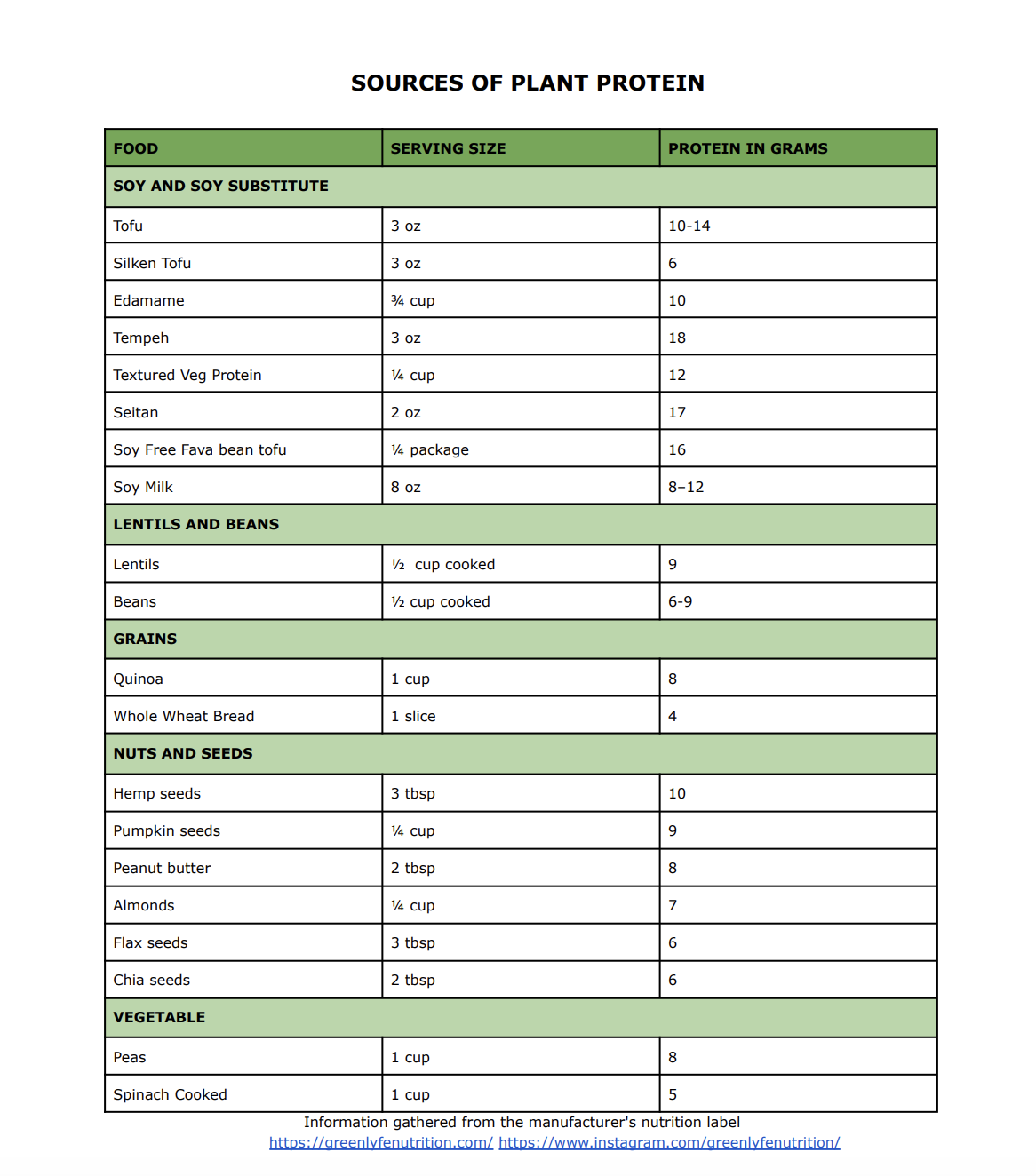
Protein values are based on manufacturer nutrition labels and may vary by brand, product, and preparation.
Making Plant-Based Protein Part of Your Day
You do not need to overhaul your eating habits to include more plant protein. Start with foods you already enjoy.
- Add soy milk, chia seeds, or peanut butter to your morning oatmeal.
- Include lentils or beans in soups, salads, and curries.
- Try tofu or tempeh in a stir-fry.
- Sprinkle hemp or pumpkin seeds over a grain bowl or salad.
- Enjoy hummus with vegetables or whole-grain pita.
A variety of plant protein foods throughout the day can help you meet your nutritional needs while adding flavor, texture, and variety to your meals.
The goal is progress, not perfection. Whether you are vegetarian, vegan, or simply interested in eating more plant-based meals, small, consistent changes can make a meaningful difference.
At Greenlyfe Nutrition, I believe healthy eating should be practical, enjoyable, culturally inclusive, and rooted in evidence-based nutrition.
Ready to add more plant-based foods to your plate?
Visit www.greenlyfenutrition.com to learn more about personalized nutrition counseling.
Eat well. Live well. Grow well.
Shoba Balaji, RDN, LDN
Founder & Registered Dietitian Nutritionist
Greenlyfe Nutrition
This article is intended for general nutrition education and does not replace individualized medical nutrition therapy.